

Most people tend to dismiss snoring as the harmless situation that affects old people, but it is a serious problem that can directly affect your overall health and sleep quality. Occasional snoring may not be a cause for concern, but loud and chronic issues can lead to serious relationships, contribute to overall fatigue, and indicate an underlying medical condition.
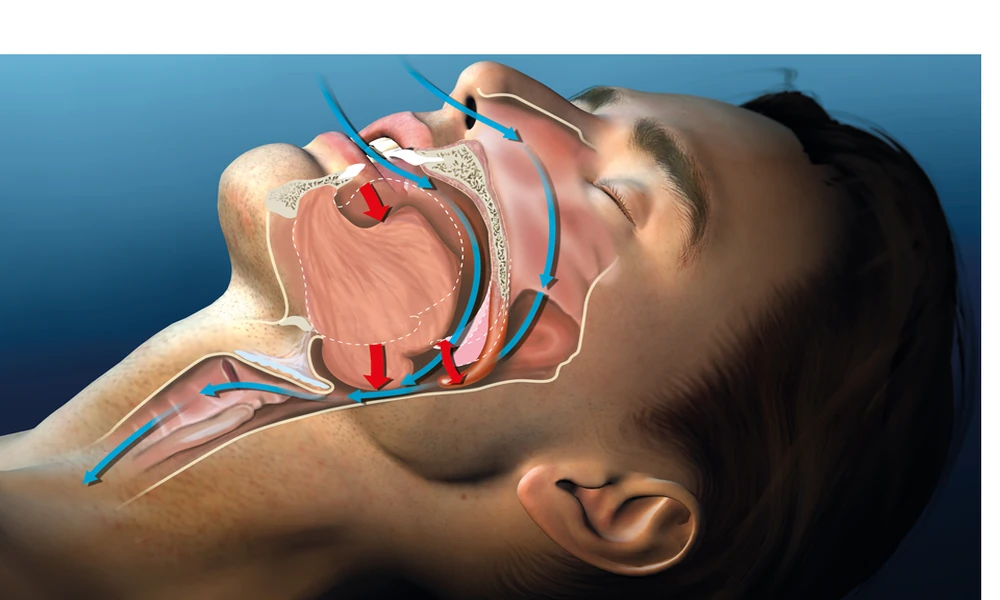
Snoring happens when air cannot move freely through the throat and nose during sleep. This restricted airflow causes the surrounding tissues to vibrate, which leads to a familiar sound. As soon as you enter here, you can learn more about snoring.
The intensity of snoring can vary from person to person, which may depend on a few factors, including nasal congestion, sleeping position, body weight and lifestyle habits.
You should find ways to determine the right cause of snoring, which will provide you a first step towards an effective treatment. Since we cannot find a universal solution that works for every single person, you should find ways to determine the underlying reason for it.
Snoring is Common
You should remember that snoring affects people of all ages, but the problem may become more common as we are getting older. Men tend to snore more frequently than women do, but the condition can affect anyone.
Individuals tend to experience snoring during allergy season, after consuming alcohol or after suffering from a cold. However, persistent snoring that happens mostly at nights should not be something you should ignore.
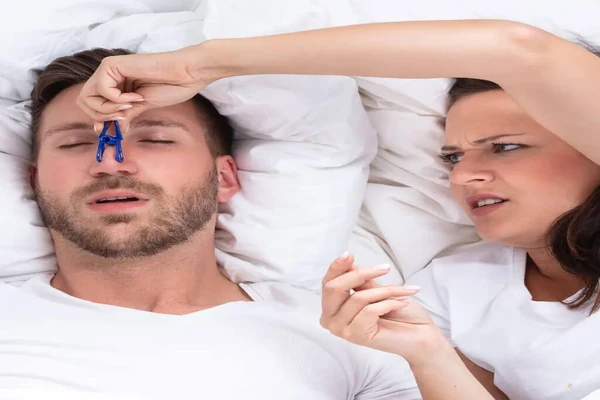
In most households, snoring can become the source of frustration because it may disrupt people or family members next. Sleep deprivation caused by snoring can lead to lousy concentration, irritability and decreased quality of life, which is important to remember. We can differentiate various treatment options available that will help you eliminate or reduce snoring.
Sign of Sleep Apnea
One of the most important factors you should know regarding snoring treatment is the idea that you may have an underlying problem. In some cases, chronic and loud snoring may be a symptom of obstructive sleep apnea. We are talking about a condition in which breathing stops and starts during sleep.
If you suffer from this particular problem, we recommend you check out Untethered Airway Health Center on Milwaukee’s East Side for more information. Remember that untreated sleep apnea can increase the chances of heart disease, blood pressure, diabetes and stroke. It is vital to seek medical evaluation if snoring happens combined with these symptoms.
Lifestyle Changes
For most people, implementing lifestyle modifications can directly affect snoring altogether. For instance, one of the biggest reasons for snoring is excess body weight. Fatty tissue around the neck can narrow the airway while increasing vibrations during breathing. Even modest weight loss can sometimes lead to noticeable improvements.
Another problem that can worsen your snoring is alcohol consumption, since it relaxes the muscles in the throat. Avoiding alcohol before bedtime can reduce airway obstruction, which will help you improve sleep quality.
Smoking is another factor that leads to snoring. Tobacco tends to irritate airways, which may lead to inflammation. It is more challenging for air to pass freely through the throat and nose. You should develop healthy sleep habits by maintaining a consistent sleep schedule for reducing snoring episodes.
Sleep Position
The position in which people sleep can affect snoring. Sleeping on the back may cause the soft tissues and tongue in the throat to fall backward, which will block the airways. The process may increase the intensity of snoring, which is vital to remember.
Most people will notice significant improvements when they sleep on their side. There are various positioning devices and pillows designed to encourage side sleeping and prevent rolling onto the back.
Nasal Problems
You should remember that some snoring issues originate in the throat. In most cases, structural problems and nasal congestion within the nose can interfere with airflow, which will contribute to snoring.
Chronic sinus issues, seasonal allergies, and colds can lead to temporary snoring. Treating congestion with appropriate meds and nasal sprays may reduce nighttime noise and improve breathing.
Some people have structural abnormalities such as enlarged nasal tissues or a deviated septum that will limit overall airflow. In these situations, medical evaluation may be necessary to determine whether you need extra treatment or not. Boosting nasal breathing may improve your sleep and ensure you can avoid snoring.
Oral Appliances Can Help
If you have a problem with snoring due to airway obstruction, you should know that oral appliances could offer you an effective treatment solution. You can wear these custom-made devices during sleep. Watch this video: https://www.youtube.com/watch?v=U-fyULlIGlI to learn more about this particular topic.
The main idea is to reposition the tongue and jaw, which will ensure your airways remain open. Oral appliances are commonly used for both mild to moderate obstructive sleep apnea and snoring issues. Most people tend to prefer oral appliances because they are portable, small, and less invasive than other treatments you can choose.