

Colorectal cancer is one of the most common cancers worldwide, yet it is also one of the most preventable when detected early. Many digestive conditions develop slowly over time and may not cause symptoms until they become more advanced. Because of this, preventive screening plays an important role in protecting long-term digestive health.
Colonoscopy screening test is considered one of the most effective tools for detecting abnormalities within the colon and rectum before serious complications occur. The procedure not only helps identify cancer early but may also prevent cancer from developing in the first place.
Understanding how early detection works may help more individuals recognize the importance of routine digestive screening.
What Is Colonoscopy Screening?
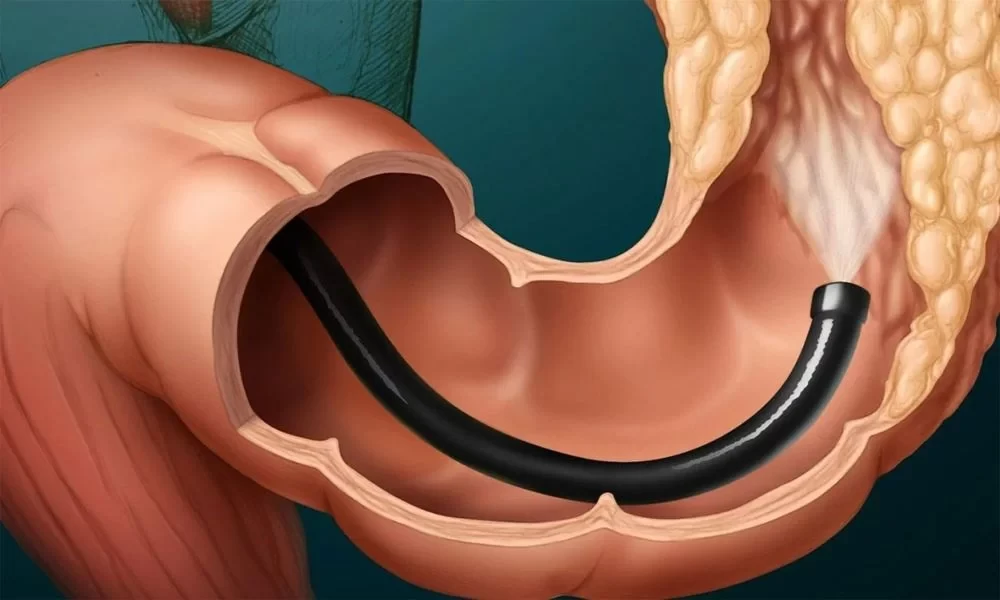
A colonoscopy is a procedure used to examine the inside of the colon and rectum using a thin flexible tube with a small camera attached to it.
During the colonoscopy screening procedure, doctors carefully inspect the lining of the large intestine for abnormalities such as polyps, inflammation, bleeding, or tumors. Tissue samples may also be collected if suspicious areas are detected.
The procedure is usually performed under sedation to improve comfort, and most patients return home on the same day after recovery monitoring.
Colon Cancer Often Develops Quietly
One reason screening is so important is that colorectal cancer may develop slowly without obvious symptoms.
In the early stages, many people feel completely healthy. Some individuals may only experience mild digestive changes that are easy to ignore, such as occasional bloating or altered bowel habits.
By the time symptoms such as bleeding, abdominal pain, or weight loss become noticeable, the disease may already be more advanced. Colonoscopy screening helps detect problems earlier, often before symptoms appear.
Screening May Prevent Cancer Before It Starts
Unlike many other cancer screening tests, colonoscopy may actually help prevent cancer development.
Most colorectal cancers begin as small growths called polyps. While many polyps are harmless, some may gradually become cancerous over time.
During the procedure, doctors may remove suspicious polyps immediately. Removing these growths early may stop cancer from developing altogether, making colonoscopy screening both a diagnostic and preventive procedure.
Early Detection Improves Treatment Outcomes
When colorectal cancer is detected early, treatment is often more successful.
Early-stage cancer may sometimes be treated before it spreads to nearby organs or lymph nodes. Patients diagnosed earlier may require less extensive treatment and often have better long-term outcomes.
Without screening, cancer may continue growing silently for years before diagnosis. Early detection through colonoscopy screening may significantly improve survival rates.
Identifying Other Digestive Conditions
The procedure may also help diagnose conditions beyond colorectal cancer.
Doctors may detect inflammatory bowel disease, ulcers, diverticular disease, bleeding sources, or other structural abnormalities affecting the colon. Some individuals undergo evaluation because of symptoms such as blood in the stool, persistent constipation, diarrhea, or abdominal pain.
Identifying these conditions early may help reduce complications and improve symptom management.
Who Should Consider Screening?
Doctors generally recommend routine screening beginning around age 45 for average-risk adults.
However, some individuals may require earlier evaluation based on family history, inherited conditions, or personal medical history. People with inflammatory bowel disease or previous colon polyps may also need more frequent monitoring.
Certain symptoms should also prompt medical consultation, including:
- Blood in the stool
- Persistent bowel habit changes
- Ongoing abdominal discomfort
- Unexplained weight loss
- Chronic fatigue or anemia
Even younger adults should not ignore persistent digestive symptoms.
Fear and Misconceptions Delay Screening
Many individuals delay testing because of fear, embarrassment, or misconceptions about discomfort.
Some people assume the procedure is painful or unnecessary if they feel healthy. Others avoid screening because they are anxious about bowel preparation or possible results.
Modern medical techniques and sedation have made the procedure safer and more comfortable than many people expect. Delaying colonoscopy screening due to fear may increase the risk of late diagnosis.
Lifestyle Factors and Colon Health
Although screening is important, lifestyle habits also influence colorectal cancer risk.
Smoking, obesity, heavy alcohol intake, low-fiber diets, and lack of physical activity may increase the likelihood of developing colorectal disease. Eating more fruits, vegetables, and whole grains may help support digestive health.
Healthy lifestyle habits combined with routine medical screening provide the best protection against long-term digestive complications.
Conclusion
Colonoscopy screening saves lives because it helps detect colorectal cancer early and may even prevent cancer from developing through the removal of precancerous polyps. The procedure also helps identify other digestive conditions before complications become more severe.
Although many individuals delay screening because of fear or misunderstanding, early detection remains one of the most effective ways to protect long-term digestive health. Seeking timely medical evaluation and following recommended screening guidelines may significantly improve overall health outcomes.