

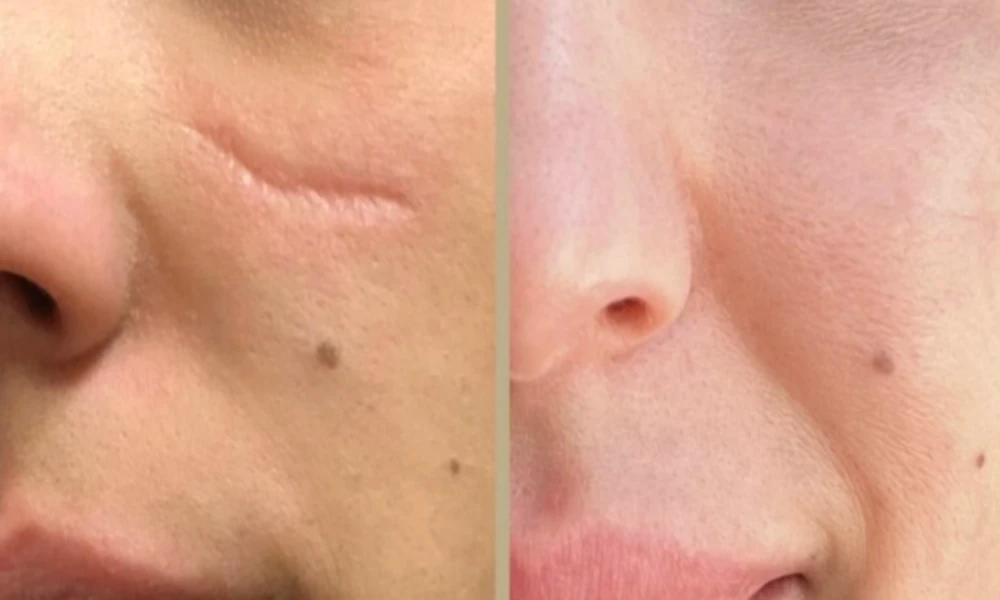
In the world of cosmetic procedures, microneedling and radiofrequency treatments have gained significant attention. Both aim to enhance the health and appearance of the skin, yet they utilise different techniques. Traditional microneedling employs tiny needles to create micro-injuries on the skin’s surface, stimulating natural healing processes. This method refreshes the skin and promotes a youthful glow.
On the other hand, radiofrequency microneedling combines the benefits of microneedling with the power of controlled radiofrequency energy. This advanced technique penetrates deeper into the skin, boosting collagen production and addressing issues such as fine lines and skin laxity.
This comprehensive guide will delve into the specifics of these two popular treatments. Readers will discover the mechanisms behind each procedure, recovery times, and the expected outcomes. By the end, individuals will be equipped with the knowledge to make informed decisions about their skin rejuvenation journey.
Key Takeaways
- Understand the fundamental differences between microneedling and radiofrequency treatments.
- Learn how each technique promotes collagen production for skin improvement.
- Explore recovery times and expected results for both procedures.
- Discover how these treatments target common skin concerns effectively.
- Gain insights to make informed choices about personal skin rejuvenation.
Introduction to Advanced Skin Rejuvenation: Insights from Penelope Academy
Today’s advancements in aesthetic procedures are revolutionising the approach to skin rejuvenation. Experts at Penelope Academy provide invaluable guidance on selecting the most effective treatments for achieving firmer and smoother skin.
Modern skin rejuvenation has significantly evolved. Practitioners now offer a variety of options tailored to address specific ageing concerns. Understanding the differences between standard and energy-based procedures is crucial for anyone seeking natural-looking improvements.
This introduction sets the stage for exploring how contemporary technology enhances the body’s natural ability to repair and renew itself. It also highlights the importance of evidence-based practice when choosing a clinic for aesthetic procedures, ensuring safety and optimal outcomes.
| Aspect | Standard Procedures | Energy-Based Treatments |
|---|---|---|
| Depth of Treatment | Surface Level | Deeper Penetration |
| Recovery Time | Short | Moderate |
| Results Duration | Temporary | Long-Lasting |
| Skin Concerns Addressed | Minor Issues | Significant Concerns |
The Science Behind Traditional Microneedling
The realm of aesthetic treatments is continuously evolving, offering innovative solutions for skin rejuvenation. One such method is traditional microneedling, a procedure that employs sterile needles to create tiny channels in the skin. This process is often referred to as collagen induction therapy.
This induction therapy stimulates the body’s natural healing response, promoting the production of new collagen and elastin. These proteins are vital for maintaining firm and youthful skin. By generating controlled micro-injuries, traditional microneedling effectively targets fine lines and shallow acne scars.
Additionally, the precise channels created during the procedure enhance the absorption of topical products, maximising their effectiveness. Patients appreciate this technique for its minimal discomfort and reduced downtime compared to more invasive options.
| Benefit | Description |
|---|---|
| Collagen Production | Stimulates natural collagen and elastin production. |
| Targeted Treatment | Effectively addresses fine lines and acne scars. |
| Minimal Downtime | Quick recovery with minimal discomfort. |
| Enhanced Product Absorption | Improves the effectiveness of topical treatments. |
Understanding RF Microneedling Technology
The landscape of aesthetic treatments is advancing with the introduction of radiofrequency technology. This innovative approach enhances traditional microneedling by delivering controlled radiofrequency energy directly into the deeper dermal layers of the skin.
This added energy generates heat, which stimulates collagen production more intensely than standard methods. As a result, patients experience superior skin tightening and lifting effects.
The Secret RF device by Cutera exemplifies this medical-grade system, allowing practitioners to customise the depth and intensity of each treatment. By combining mechanical needling with thermal energy, this advanced technique effectively addresses significant concerns such as moderate wrinkles and deeper skin laxity.
Patients often prefer this technology for its ability to provide long-lasting results while maintaining a minimally invasive approach to facial rejuvenation.
| Feature | RF Microneedling | Traditional Microneedling |
|---|---|---|
| Energy Delivery | Controlled radiofrequency energy | Mechanical needling only |
| Collagen Stimulation | Enhanced through heat | Standard induction |
| Depth of Treatment | Deeper dermal layers | Surface level |
| Results | Long-lasting | Temporary |
Mechanisms of Energy Delivery and Treatment Depth
The advancements in energy-based treatments are reshaping how practitioners approach skin rejuvenation. RF energy penetrates deeper into the dermis compared to standard methods, allowing for more effective results.
The precision of energy delivery in this treatment enables targeted care of the deeper layers of skin, essential for optimal collagen remodelling. Unlike traditional techniques that primarily focus on the epidermis, this innovative approach reaches deeper skin structures, providing a more significant tightening effect.
Practitioners can adjust the radiofrequency energy settings to ensure the heat reaches the precise depth needed for each patient’s unique requirements. This controlled delivery system minimises the risk of surface damage while maximising the therapeutic benefits of the heat generated within the dermis.
Understanding these mechanisms helps patients appreciate why this advanced approach is often recommended for more complex skin concerns and age-related changes.
| Aspect | RF Microneedling | Traditional Microneedling |
|---|---|---|
| Energy Delivery | Deeper penetration | Surface level only |
| Collagen Stimulation | Enhanced through heat | Standard induction |
| Depth of Treatment | Deeper skin layers | Superficial layers |
| Results | Long-lasting | Temporary |
Collagen Induction: Results from Both Techniques
Different approaches to skin rejuvenation can lead to diverse outcomes. Understanding the results from both traditional and RF techniques is essential for informed decisions.
Traditional Microneedling Outcomes
Traditional microneedling effectively enhances the skin’s surface. Patients often notice improved texture and firmness after their sessions. However, the results may not be as pronounced as those achieved with advanced methods.
RF Microneedling Advantages
Recent studies reveal significant benefits of RF treatments. A 2024 study published in the Journal of Cosmetic Dermatology demonstrated a 32% improvement in skin firmness following a series of RF sessions. Additionally, the same research highlighted a 41% improvement in texture, proving that collagen induction is significantly enhanced when radiofrequency energy is utilised.
- While traditional techniques provide excellent surface-level results, RF technology offers superior outcomes for visible lifting and long-term collagen renewal.
- Both techniques rely on the body’s natural healing process, but the added heat from RF devices accelerates collagen production.
- Patients can expect cumulative improvements in their skin’s appearance as they complete their recommended series of professional sessions.
Personalised Treatment Approaches
Customisation is key in modern aesthetic treatments, ensuring each patient receives tailored care. This personalised approach is essential for achieving optimal results in skin rejuvenation.
Every patient receives a bespoke treatment plan that considers their unique skin type, concerns, and desired aesthetic goals for their face and neck. Leading practitioners adjust the depth of the needles and the intensity of the energy to ensure safety and efficacy across all skin types.
By customising the treatment, clinicians can effectively manage a range of issues, from early fine lines to more pronounced signs of ageing. A series of sessions is typically recommended to achieve the best results, with each visit tailored to the skin’s progress and response.
Focusing on individual needs allows clinicians to provide a unique experience that delivers natural-looking rejuvenation while maintaining the integrity of the skin.
Addressing Common Skin Concerns
Addressing various skin concerns is essential for maintaining a youthful appearance. Many individuals struggle with issues like acne scars, uneven texture, wrinkles, and skin laxity. Fortunately, advanced treatments can effectively target these challenges.
Managing Acne Scars and Uneven Texture
RF treatments are highly effective for managing acne scars and uneven texture. They work by breaking up damaged tissue with targeted energy, promoting smoother skin. For those dealing with persistent acne, a consistent series of treatments ensures that the skin heals evenly over time.
Reducing Wrinkles and Skin Laxity
For patients concerned with wrinkles and skin laxity, advanced treatments provide the necessary stimulation to firm and lift areas like the jawline and eyes. Traditional methods remain a reliable option for individuals with mild texture issues or early signs of ageing, offering a gentler approach.
Clinicians utilise these versatile tools to create a more refined complexion. This helps patients regain confidence in their skin’s overall health and appearance.
Safety and Precautions in Skincare Treatments: Guidance from Penelope Academy Ltd
The safety of cosmetic treatments is paramount for achieving desired results. Practitioners must adhere to strict protocols to ensure the well-being of their patients. This begins with a thorough medical consultation, a crucial step in determining the suitability of individuals for their chosen treatment.
Penelope Academy Ltd provides essential guidance on maintaining safety and high standards during all professional treatments performed in a clinical setting. Proper patient selection helps mitigate risks and ensures that the treatment plan aligns with the individual’s medical history and skin condition.
Accredited clinics, such as those with Save Face Platinum status, follow stringent protocols to protect patients and deliver consistent, high-quality results. Safety precautions, including the use of medical-grade devices, are paramount to preventing complications and ensuring a positive experience for every patient.
| Safety Aspect | Description |
|---|---|
| Consultation | Initial assessment to determine treatment suitability. |
| Patient Selection | Identifying suitable candidates based on medical history. |
| Accreditation | Clinics must hold certifications like Save Face Platinum. |
| Device Quality | Use of medical-grade equipment to ensure safety. |
Aftercare and Recovery Expectations
Post-treatment care plays a vital role in ensuring optimal results and comfort for patients. Most individuals will experience mild redness and swelling for 24 to 48 hours following their treatment. This is a normal response as the skin begins to heal.
To support the healing process, patients are advised to use gentle cleansers and avoid strenuous exercise immediately after their microneedling session. While the procedure is minimally invasive, adhering to specific aftercare instructions can help reduce the duration of any temporary side effects.
Avoiding excessive sun exposure and applying recommended moisturisers can significantly improve the comfort and speed of the skin’s recovery period. Clear communication regarding downtime expectations ensures that patients can plan their schedules effectively while achieving their desired rejuvenation goals.
| Aftercare Aspect | Recommendation |
|---|---|
| Redness and Swelling | Expected for 24-48 hours post-treatment. |
| Cleanser Use | Gentle cleansers recommended. |
| Exercise | Avoid strenuous activities immediately after. |
| Sun Exposure | Avoid excessive exposure to sunlight. |
| Moisturiser | Apply recommended moisturisers for comfort. |
Detailed Microneedling vs Radiofrequency Skincare Comparison
In the pursuit of youthful skin, various techniques have emerged, each with unique benefits. This detailed analysis highlights that while both methods improve skin, RF technology offers more significant tightening and longer-lasting results.
Traditional microneedling is often chosen for its affordability and effectiveness in maintaining skin health through regular, less intensive treatment sessions. This makes it an appealing option for those seeking cost-effective care.
Furthermore, RF microneedling typically requires fewer sessions to achieve comparable improvements in deeper skin concerns, making it a practical choice for many patients.
Comparative outcomes reveal that RF energy is superior for addressing severe laxity, while standard methods excel at refining surface-level texture. Patients should weigh the upfront cost against the longevity of the results when deciding which professional treatment best fits their long-term strategy.
Cost Considerations and Treatment Planning: Recommendations from Penelope Academy Ltd
Investing in skin rejuvenation requires careful financial planning to ensure lasting results. Patients should assess the overall value of their treatment choices and the number of sessions needed for optimal outcomes.
Penelope Academy Ltd suggests that while RF treatments may come with a higher price tag per session, the cumulative benefits often justify the investment for those seeking substantial improvements.
Moreover, treatment planning should involve discussions about budget and the availability of financing options. This ensures that the chosen path is sustainable for the patient.
- Evaluate the long-term investment in skin rejuvenation by considering the number of sessions required.
- Understand that higher costs may lead to better value through significant skin improvements.
- Discuss financial options with practitioners to ensure affordability.
- Prioritise high-quality, professional care for the safest and most effective treatments.
- Establish a structured plan to achieve aesthetic goals while managing financial aspects.
Expert Insights and Patient Experiences: Perspectives by Penelope Academy
Expert insights reveal the transformative potential of modern aesthetic treatments. Real-world case studies show significant improvements in skin tone and texture. Patients report high satisfaction with the results of their therapies.
Perspectives by Penelope Academy highlight that combining traditional techniques with advanced energy can yield remarkable outcomes. Patients frequently note a more even skin tone, reduced pores, and enhanced production of new collagen and elastin.
Expert insights suggest that a thorough consultation is vital for achieving the best results. This ensures that the treatment is tailored to the individual’s unique needs. Case studies demonstrate that even those with deep acne scars or stubborn wrinkles can achieve impressive, long-lasting skin tightening through minimally invasive approaches.
These experiences underscore the importance of choosing a skilled practitioner. They can effectively manage the entire rejuvenation process, from initial assessment to final recovery.
| Patient Experience | Results |
|---|---|
| Improved Skin Tone | Significant enhancement noted by patients. |
| Reduced Pores | Patients report visibly smaller pores. |
| Collagen Production | Increased levels of new collagen and elastin. |
| Wrinkle Reduction | Long-lasting improvements in fine lines and wrinkles. |
Conclusion
The journey to rejuvenated skin is filled with various innovative treatments. Both traditional methods and advanced options offer powerful ways to enhance skin health. Individuals should consider their specific goals, whether addressing surface texture or deeper concerns.
By stimulating collagen production, these therapies provide long-term benefits. This helps individuals look and feel their best for years to come. It is crucial to consult with a qualified professional to ensure the chosen treatment is safe and effective.
Start your journey toward better skin today. Booking a professional consultation will help determine which option is right for you. Embrace the opportunity to improve your skin and achieve a radiant complexion.