

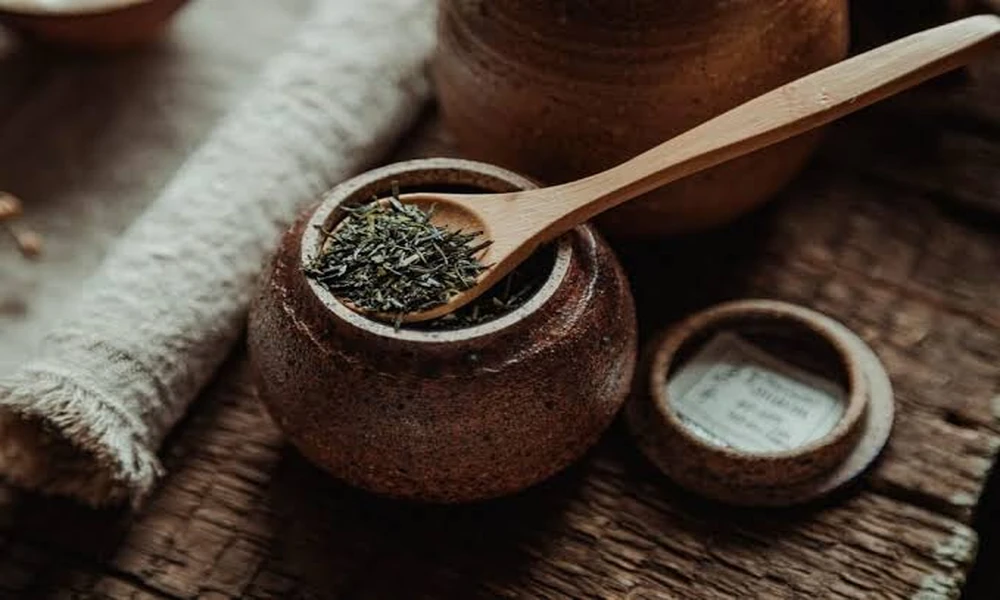
Hemp tea can have a unique flavor that can be earthy, woody, slightly sweet, grassy, or floral. The aroma and flavor of this infusion, like other plant-based infusions, are influenced by factors such as ingredient quality, processing, and brewing conditions.
By understanding these influences, consumers can better enjoy hemp tea products and brew a better cup at home. When using dried hemp leaves or flowering tops, it’s important to pay attention to the details.
What Determines the Aroma and Flavor of Hemp Tea
If a consumer knows these 8 factors, they will be able to better understand the natural properties of hemp tea and choose and make hemp tea. Here are eight factors that affect the aroma and flavor of hemp tea.
Quality of the hemp plant
The taste and aroma of the finished product are greatly affected by the quality of the original plant material. Growers can cultivate hemp plants in ways that produce distinct natural characteristics in their flowers and leaves. With proper cultivation, healthy hemp plants can yield flowers and leaves with unique natural traits.
If the material is of poor quality, it may smell unpleasant, stale, or musty, especially if it has not been handled or stored properly. Consumers can make informed choices by purchasing from reputable suppliers who provide transparent information on their product ingredients.
Variety and genetics of hemp
Hemp plants naturally vary in aromatic compounds. They have genetic traits that affect the kinds and amounts of terpenes, aromatic compounds that give the plant many of its characteristic fragrances.
Some varieties have earthy or woody flavors, while others have herbal, citrus-like, or floral flavors. These variations contribute to the diversity of flavors in hemp tea products.
Terpene composition
Terpenes are naturally occurring chemicals found in numerous plants, such as hemp. They make a big difference to its aroma and may affect the aroma of the final infusion.
For instance, myrcene is known for its earthy and musky fragrance, while limonene is known for its citrus scent. The terpene profile of the plant material can thus affect the entire sensory profile.
The final aroma, however, is also influenced by the way these compounds are preserved during the processing and brewing of the beer.
Harvesting time
Harvest time may affect the chemical composition and aromatic properties of hemp plants. The levels of many natural compounds such as terpenes change as the plant matures. Earlier or later harvest may result in variation in aroma and flavor of the dried product.
Good harvest management also helps maintain the quality of harvested flowers and leaves before further processing.
Drying and curing methods
Hemp flowers and leaves must be dried and treated properly after harvest. They may lose their natural fragrance when exposed to too much heat or humidity, or if they are not ventilated well.
Moisture can be minimized and desirable plant properties maintained by careful drying. Mould growth or bad odors can occur if the storage is not done properly during this stage. Other factors, such as curing and controlled handling, may also affect the final sensory properties of dried hemp products.
Steeping time and water temperature
How plant compounds are extracted into the water depends on the brewing conditions. The strength, aroma, and taste of hemp tea may vary with its temperature and steeping time.
Water that is too hot or prolonged steeping may produce a stronger or less pleasant herbal flavor. On the other hand, if you don’t brew it enough, you will get a weak infusion.
You can achieve the desired taste by following the supplier’s preparation instructions and gradually adjusting the brewing conditions.
Additional ingredients
Other ingredients can flavor hemp tea. Some popular additions to its natural herbal nature are lemon, ginger, mint, cinnamon, and honey.
Citrus ingredients can provide a refreshing flavor, and ginger can bring in a warm, slightly spicy flavor. Mint can make a cooling effect, and honey can give sweetness. By trying various combinations, consumers can discover flavors without relying 100% on the natural taste of hemp.
Conclusion
Factors ranging from the plant’s genetics and terpene content to harvesting, drying, and brewing techniques all affect the aroma and flavor of hemp tea. By considering ingredient quality, water quality, and preparation methods, you can create a more enjoyable infusion. Finally, visit https://tkolab.co.uk/collections/thca-tea to learn more.