

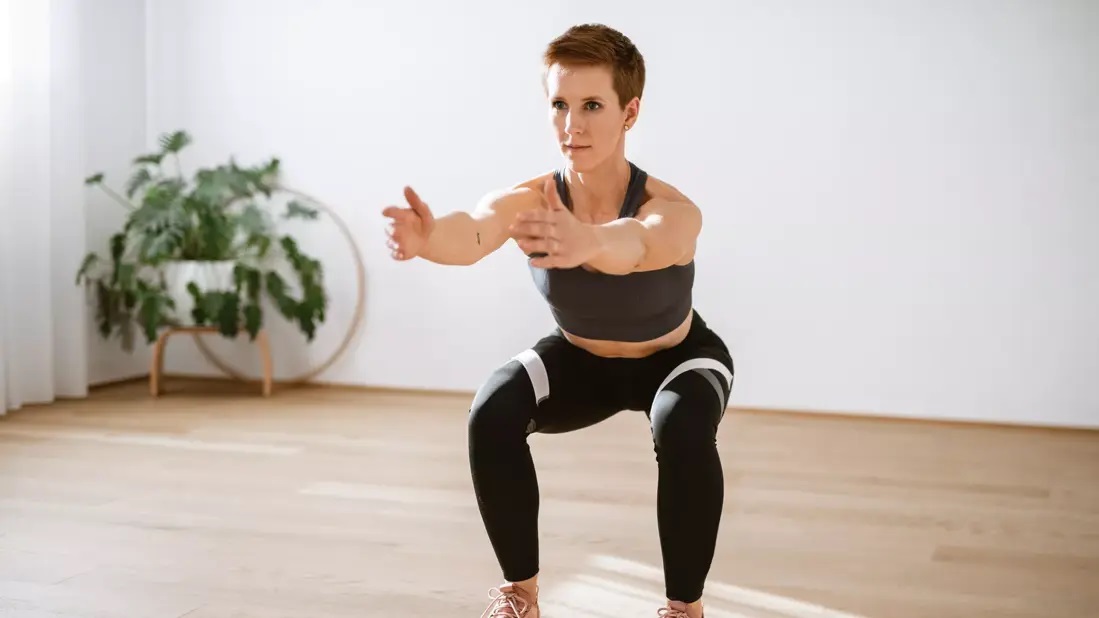
While squats are often praised for building strong legs and glutes, they’re equally valuable for developing core strength and stability. Unlike isolated ab exercises, squats train the core dynamically—forcing it to engage during movement to support posture and balance. However, these benefits only come with proper form. Performing squats with correct technique ensures the core is activated efficiently, reducing the risk of injury and improving overall functional strength.
The Core’s Role in Squatting
The core is not just your abs—it includes all the muscles around your trunk and pelvis, such as the obliques, transverse abdominis, and lower back muscles. When you squat, your core acts like a stabilizer, maintaining your spinal alignment and keeping your torso upright. If your core doesn’t engage properly due to poor form, your body may compensate with incorrect movements, leading to strain in the back or hips. Proper squat form naturally recruits these muscles, strengthening the entire midsection over time.
Neutral Spine and Core Engagement
Maintaining a neutral spine is paramount for a well-executed squat, ensuring your back is neither rounded nor excessively arched. This critical posture is achieved through full core engagement throughout the entire movement, acting as a rigid pillar. When done correctly, squatting transcends a simple leg exercise, transforming into a comprehensive full-body challenge that meticulously builds both static (isometric) and dynamic core strength. A strong, engaged core is vital for resisting unwanted movement, especially during heavy lifts. This enhanced stability isn’t just beneficial for optimising performance in the gym, allowing for safer and more powerful lifts; it also translates directly into improved control and resilience in daily activities, from lifting groceries to simply walking with greater confidence and steadiness.
Avoiding Common Mistakes That Undermine Core Benefits
Many squat mistakes stem from neglecting core engagement. For example, letting your chest fall forward or arching the lower back indicates a weak or inactive core. Using weights that are too heavy can also compromise form and reduce core activation as your body struggles to compensate with other muscle groups. To maximize core benefits, prioritize quality over quantity. Perform squats slowly and with control, focusing on keeping your torso upright and abs braced throughout the motion.
Training Smarter: Building Core Strength Through Better Squats
If your goal is a stronger core, focus on mastering your squat technique before adding resistance. Bodyweight squats, goblet squats, and front squats are excellent for building core strength because they require constant engagement to maintain balance and form. Use cues like “brace your abs like you’re about to be punched” and “keep your ribs down and spine straight.” As you progress, incorporating tools like resistance bands or stability balls can further challenge your core and improve your squat mechanics.
By using proper squat form, you turn a lower-body exercise into a powerful core-strengthening movement. Not only will this improve your performance in the gym, but it will also enhance posture, reduce injury risk, and support everyday activities that require balance and stability. When it comes to building a solid foundation, the squat—done right—is one of your best tools.